
Insights
The Aid & Relief Sector: Snapshot And Trends
The Market Size
The UN system procured $25.7 billion in 2024 across 32 organizations—representing the third-highest annual procurement volume on record and a solid 2.9% growth from 2023.
What the UN Actually Buys: Top Categories
The 2024 procurement landscape tells a story of where relief is needed most. The five largest procurement sectors accounted for 65.6% of total volume:

Health ($5.3 billion, +10.2% YoY): Pharmaceuticals, contraceptives, and vaccines dominated at $4.0 billion—the single largest procurement category. UNICEF led as the primary buyer ($3.2 billion), followed by PAHO and UNFPA.

Construction, Engineering & Science ($3.6 billion): Infrastructure rehabilitation and reconstruction across conflict and disaster-affected regions drives sustained demand.

Administration & Operations ($2.9 billion):

Transportation & Storage ($2.6 billion): Critical logistics infrastructure remains stable, with air transportation topping commodity groups.

Food & Farming ($2.4 billion, -13.9% YoY): Despite a decline from peak emergency response levels, food procurement remains substantial, particularly through WFP (73.4% of segment spend).
Fastest Growing Segment: Humanitarian Aid, Peace, Security & Safety (+22.1%)—reaching $915 million, this segment reflects the intensifying response to complex emergencies, and expanded humanitarian operations across crisis regions.
Where Suppliers Come From
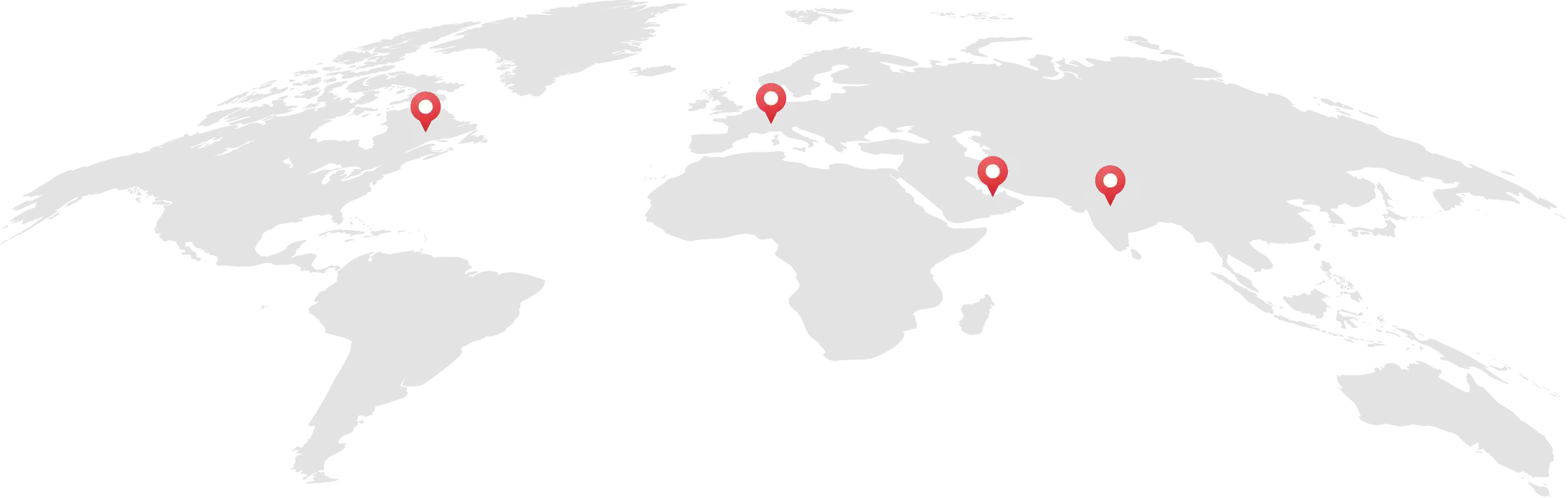
The United States remains the dominant supplier at $2.1 billion (8.3% of total), with a strong foothold in pharmaceuticals. However, significant shifts are emerging:
Switzerland surged to #2 ($1.2 billion, +27.8%)
UAE ranks #3 ($1.0 billion), 7% YoY increase, consistent with the UAE being top 3 humanitarian donor in 2025
India ($780 million) holds 50% of its supply in pharmaceuticals, positioning it as the third-largest pharmaceutical supplier for the UN globally.
2025 Emerging Trends: Market Signals for New Entrants
1. Sustainability as Competitive Advantage
The Scale of Commitment: 27 of 31 UN organizations now integrate environmental, social, and economic sustainability into procurement—up from 20 in 2023. What Sustainability Means in Practice: UN organizations are embedding three distinct dimensions into their procurement frameworks:
Environmental Sustainability
Carbon footprint reduction, renewable energy solutions, waste minimization, and circular economy models. Organizations are requiring suppliers to report Scope 1, 2, and 3 emissions, with various UN entities now making net-zero commitments mandatory in supplier contracts.
Economic Sustainability
Total cost of ownership analysis (adopted by over 70% of organizations), local economic benefits, regional manufacturing capacity, and community livelihood creation. For example, suppliers offering locally produced alternatives or goods manufactured in least-developed countries increasingly win contracts even at potential higher unit costs if the regional supply chains can reduce transportation emissions and build local capacity.
Social Sustainability
Human rights due diligence, labour standards compliance, disability-inclusive practices, and gender-responsive procurement. Procurement teams are using human rights impact assessments on supply chains, with organizations now embedding child labour and modern slavery verification protocols into vendor onboarding.
What is coming:
The DRiVE Initiative: UNOPS and the International Labour Organization (ILO) have launched the “Delivering Responsibility in Vendor Engagement” (DRiVE) programme, a supplier sustainability assessment tool now being piloted across UN agencies. DRiVE evaluates suppliers across 10 risk areas including human rights, labour standards, environmental protection, and health and safety—creating a sustainability scorecard that vendors must meet to compete for contracts.
2. Collaborative Procurement & Resource Pooling: The New Operating Model
Humanitarian procurement remains fragmented. Procurement represents 40-60% of humanitarian aid costs yet cooperation levels remain relatively low, with significant duplication across 108+ humanitarian organizations. Huloo, the world’s first humanitarian logistics cooperative established in 2021, is transforming this landscape through structured resource pooling and collaborative procurement.
3. Localization & Regional Manufacturing
A critical shift toward reducing dependency on distant suppliers is underway. Kenya, and other emerging economies are becoming increasingly key sourcing hubs with potential for hosting more of the UN organizations in the years to come.
4. Humanitarian Funding Crisis Demands Cost Innovation
With 305 million people requiring assistance in 2025 but only 45% of needs funded, procurement efficiency is no longer optional—it’s existential. Organizations seeking cost-saving partnerships are actively looking at suppliers who understand margin-sharing and innovative partnerships.
2025 Emerging Trends: Market Signals for New Entrants
This is not a commodity market.
Suppliers who combine reliability with innovation—are positioned to capture significant market share.
The UN procurement landscape rewards partners who can scale rapidly, operate with reliability in difficult geographies, meet rigorous compliance standards, and, crucially, align cost efficiency with humanitarian impact.
Sources
2024 UN Annual Statistical Report on Procurement (UNOPS, 2025)
OCHA Funding Tracker, 2025
UNOPS and the International Labour Organization join forces to further sustainable procurement
(UNOPS/ILO, 2025)
The State of Humanitarian Procurement (Huloo & IAPG, March 2025)