
INSIGHTS
Our Insights
On The Aid & Relief Landscape
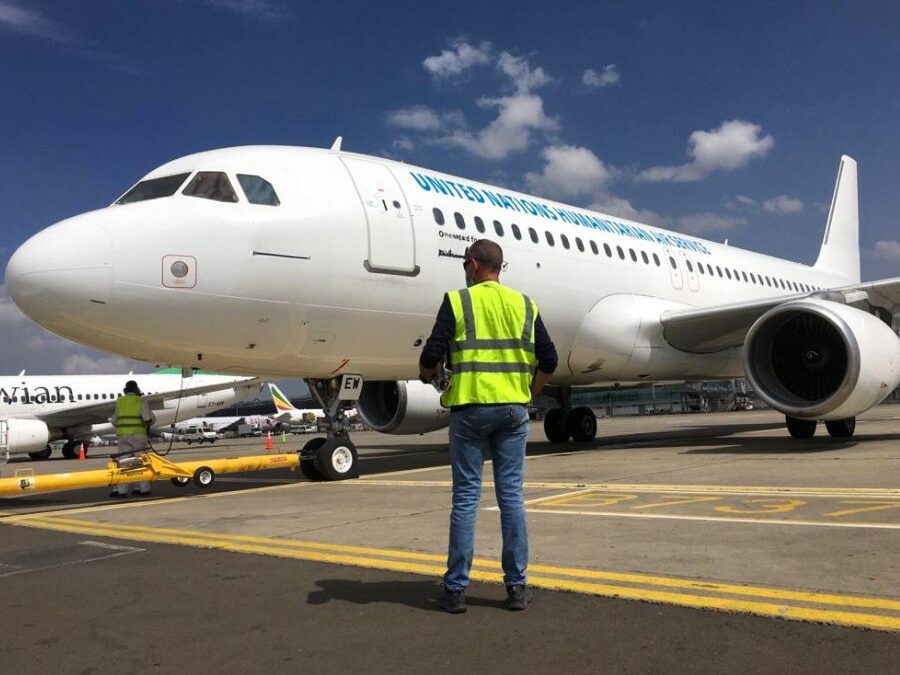
Where few want to fly
Humanitarian aviation splits into two largely independent markets: cargo and passengers. They are served by different vendors, through different onboarding and contracting processes, using different aircraft types, against different vendor requirements. Cargo is the more fragmented of the two, with organisations using purchasing strategies that range from spot purchase to long-term agreements with freight forwarders, and some smaller organisations outsourcing freight purchase to their suppliers. Where the two markets converge is on the constraints their buyers face. Cost is the constraint raised most often, sharpened by the current funding crunch, but access is the one that decides whether a flight happens: landing permits, aircraft registration, war risk insurance and import clearances. Passenger transport has already been partially consolidated, with a single mandated agency purchasing on behalf of all other United Nations entities. Cargo has not, and this paper closes by asking why
Why Supplier Coaching Matters for Humanitarian Operations
As humanitarian funding shrinks and local procurement requirements rise, supplier coaching has become essential. Arche explains why — and how it helps local vendors in East Africa and MENA participate in UN and NGO procurement.
“Do Humanitarians Need the Private Sector at All?” – Notes from the IC Forum Geneva 2026
Arche attended the 5th IC Forum in Geneva. One opening question set the tone: “Do we need the private sector at all?” Here’s what we heard — and what wasn’t said.
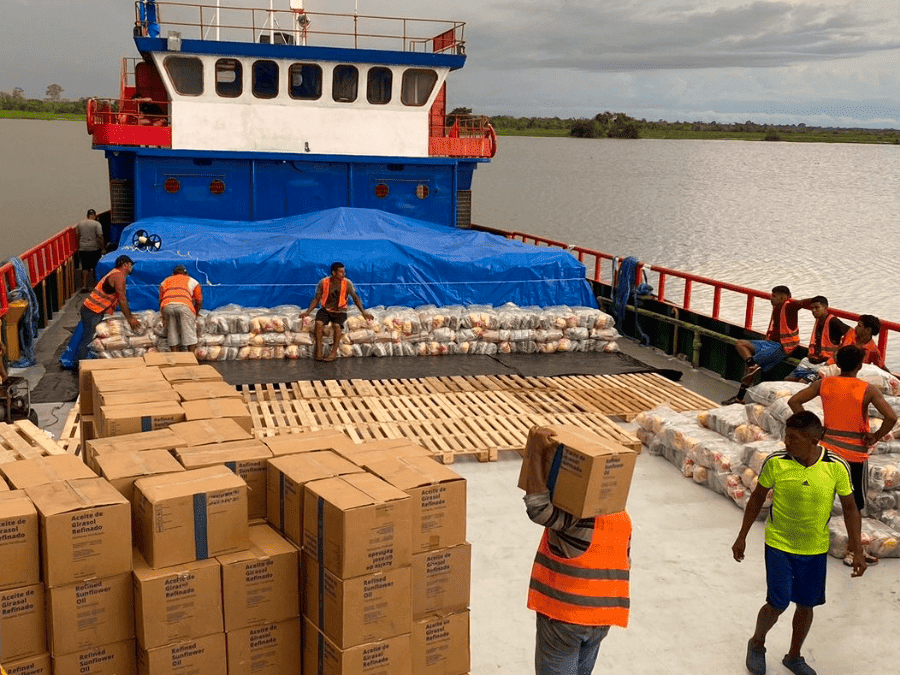
How to Position Your Company for Aid & Relief: 101
Working with the Humanitarian sector requires more than capability—it demands strategic positioning in a sector where speed, compliance, and reliability outweigh price alone. This guide provides practical insights on how new vendors can navigate the competitive Aid & Relief sector, from building rapid response capacity to understanding the structural reforms reshaping humanitarian procurement.